Question
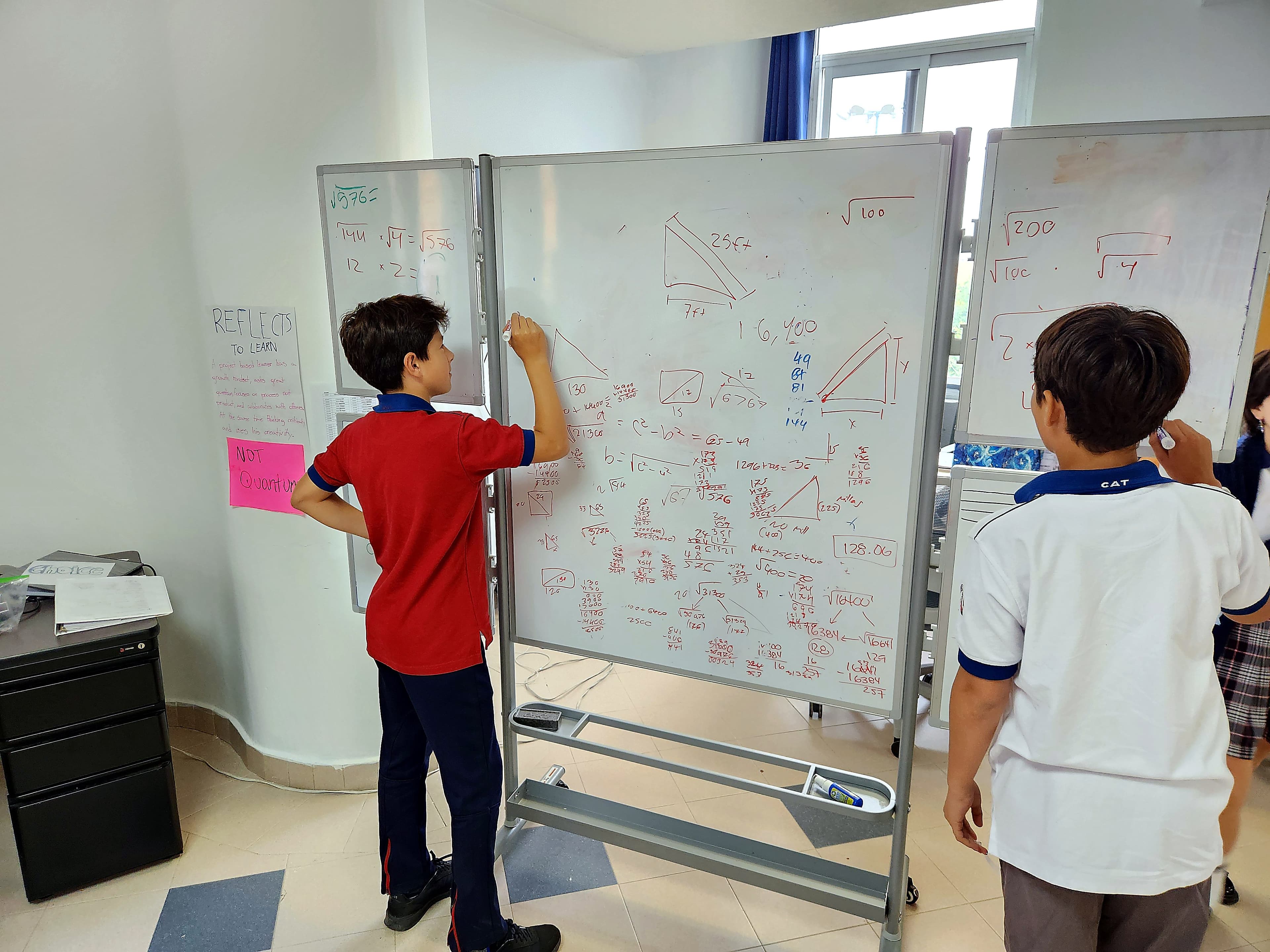
Students begin with something worth investigating.
A project starts with a real challenge, a need, or a curiosity. Students connect academic concepts to work that has a visible purpose.
Quantum pillar
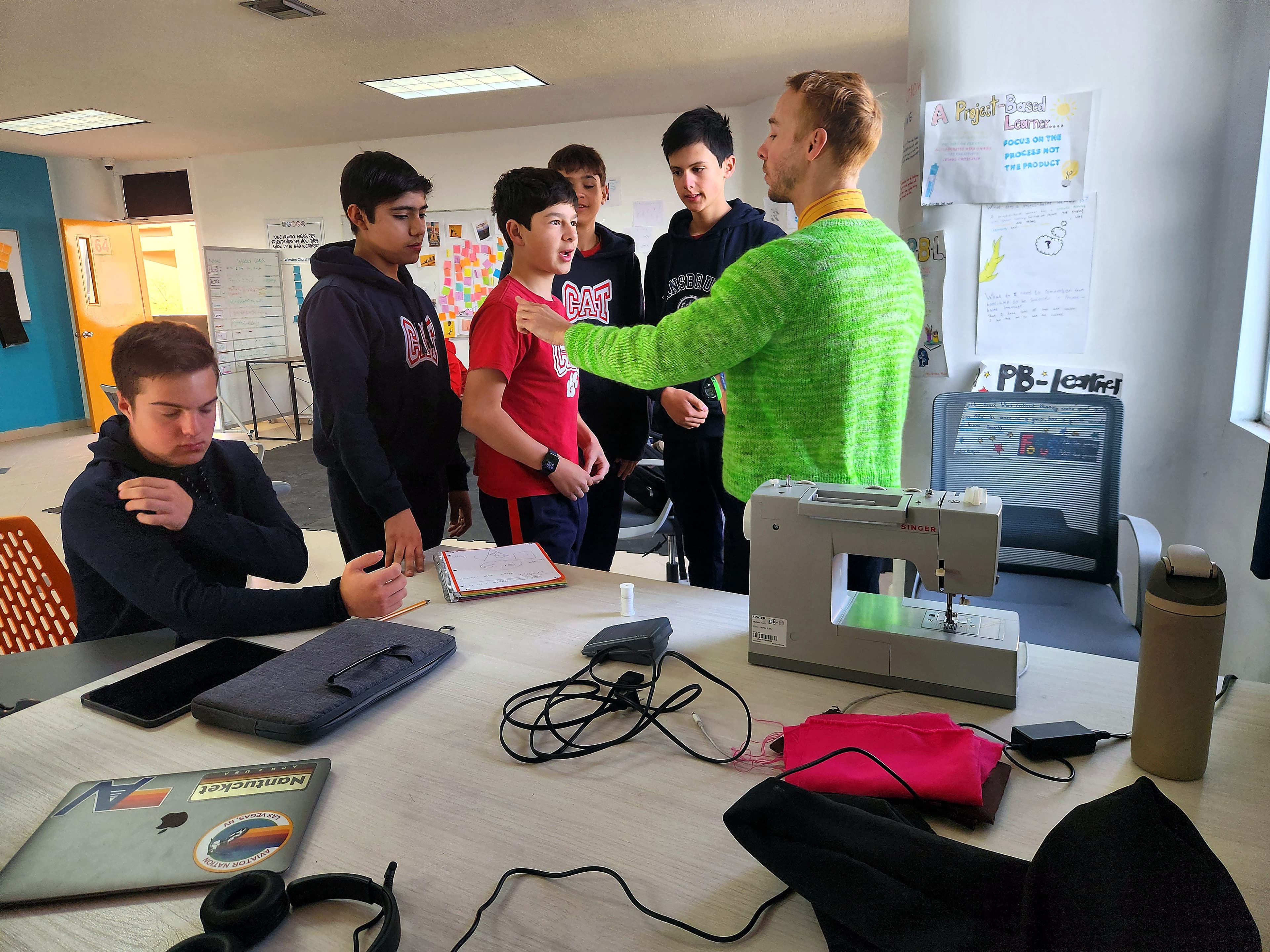
Students learn through hands-on, real-world projects that build practical skills and deeper understanding through collaborative problem solving.
Real-world learning
Project-based learning connects academic ideas with authentic work. Students do not only receive information; they make decisions, defend reasoning, and learn how to move through uncertainty.
Question to prototype
Question
A project starts with a real challenge, a need, or a curiosity. Students connect academic concepts to work that has a visible purpose.
Build
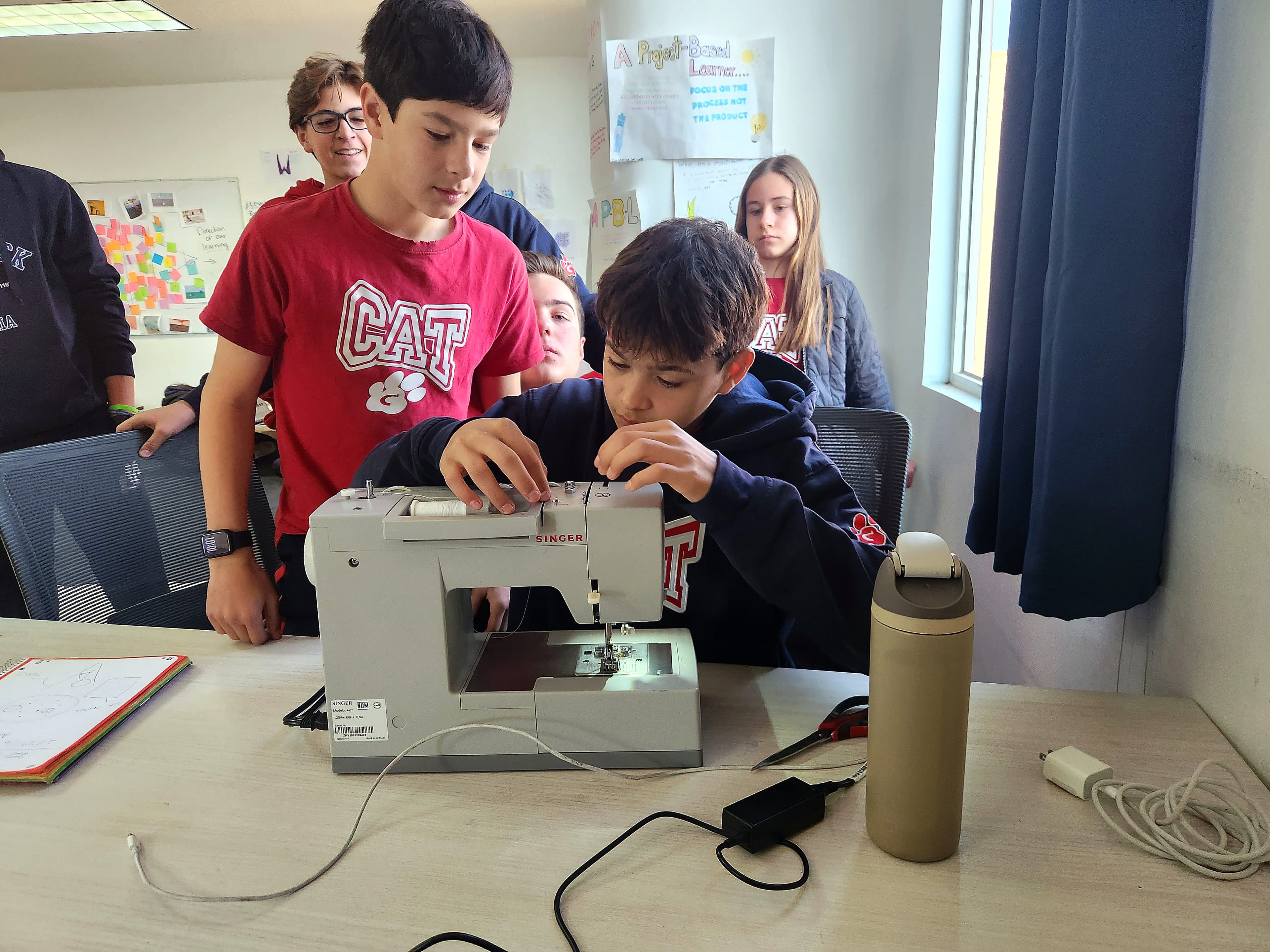
The classroom behaves like a studio. Learners sketch, prototype, test assumptions, and use feedback to improve the work.
Share
Students explain decisions, collaborate with peers, and practice the communication skills needed to make their learning clear.
Project table
Prototype testing
Studio evidence
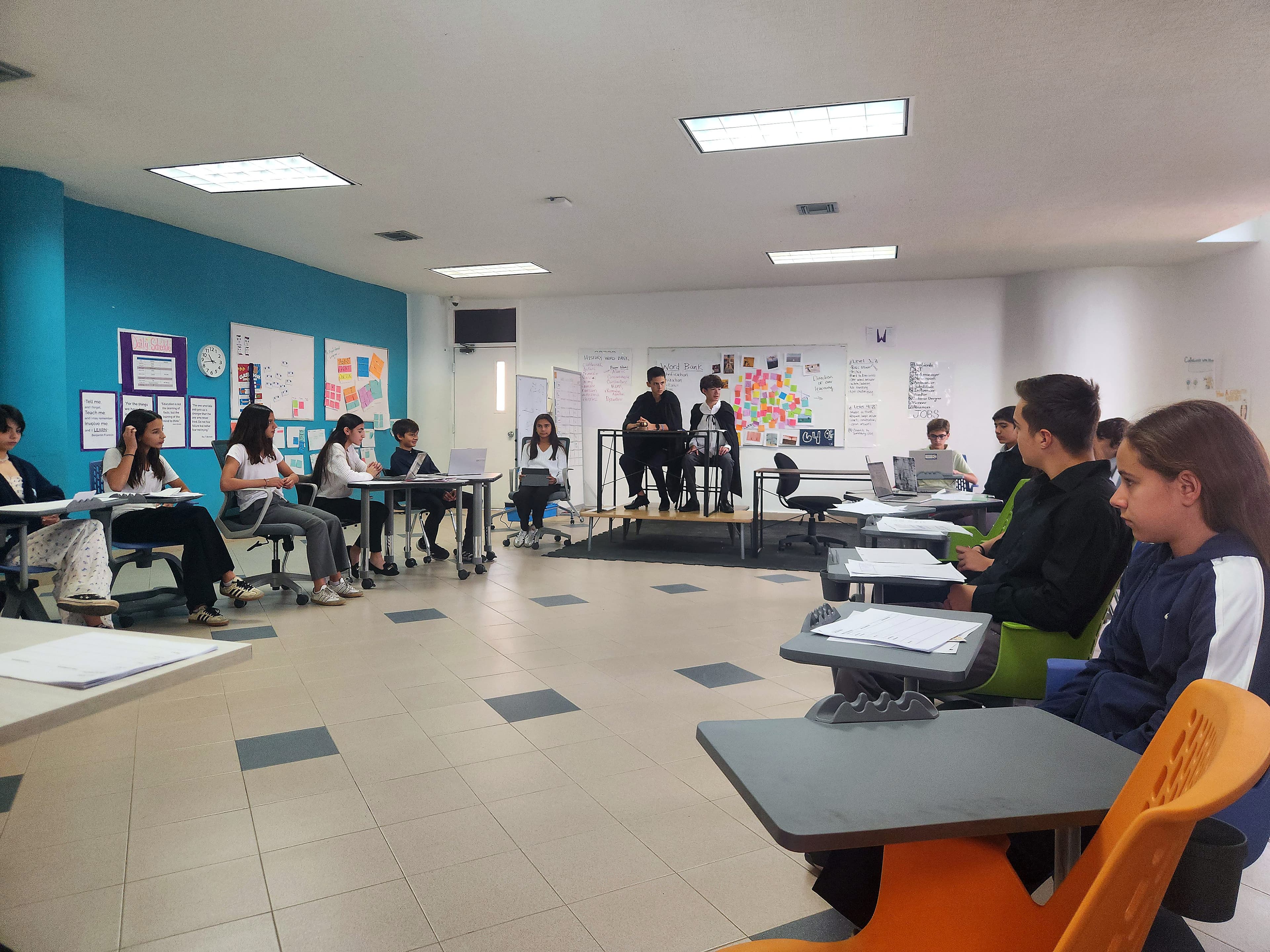
Mentor feedback
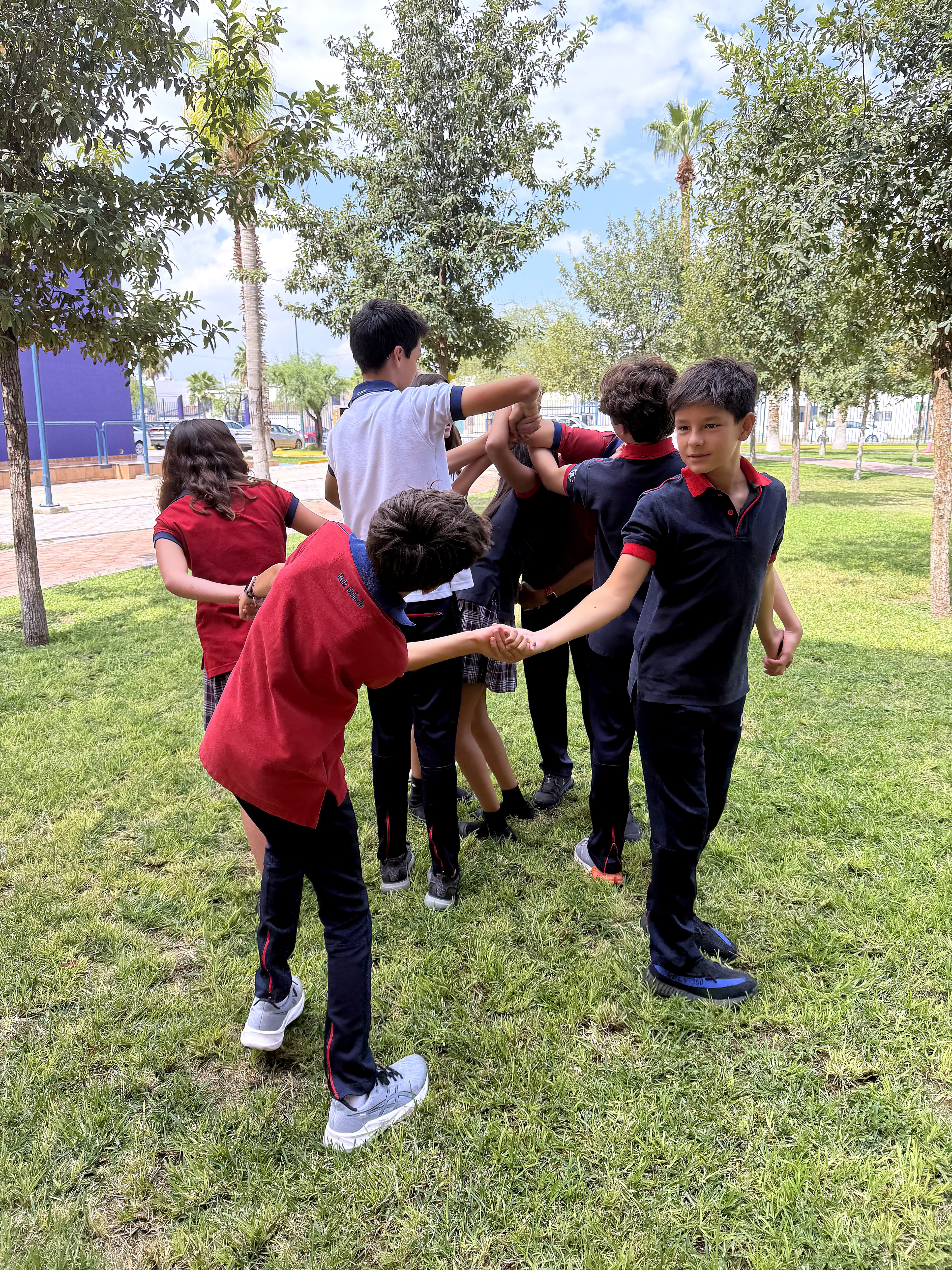
Team energy
Why it matters
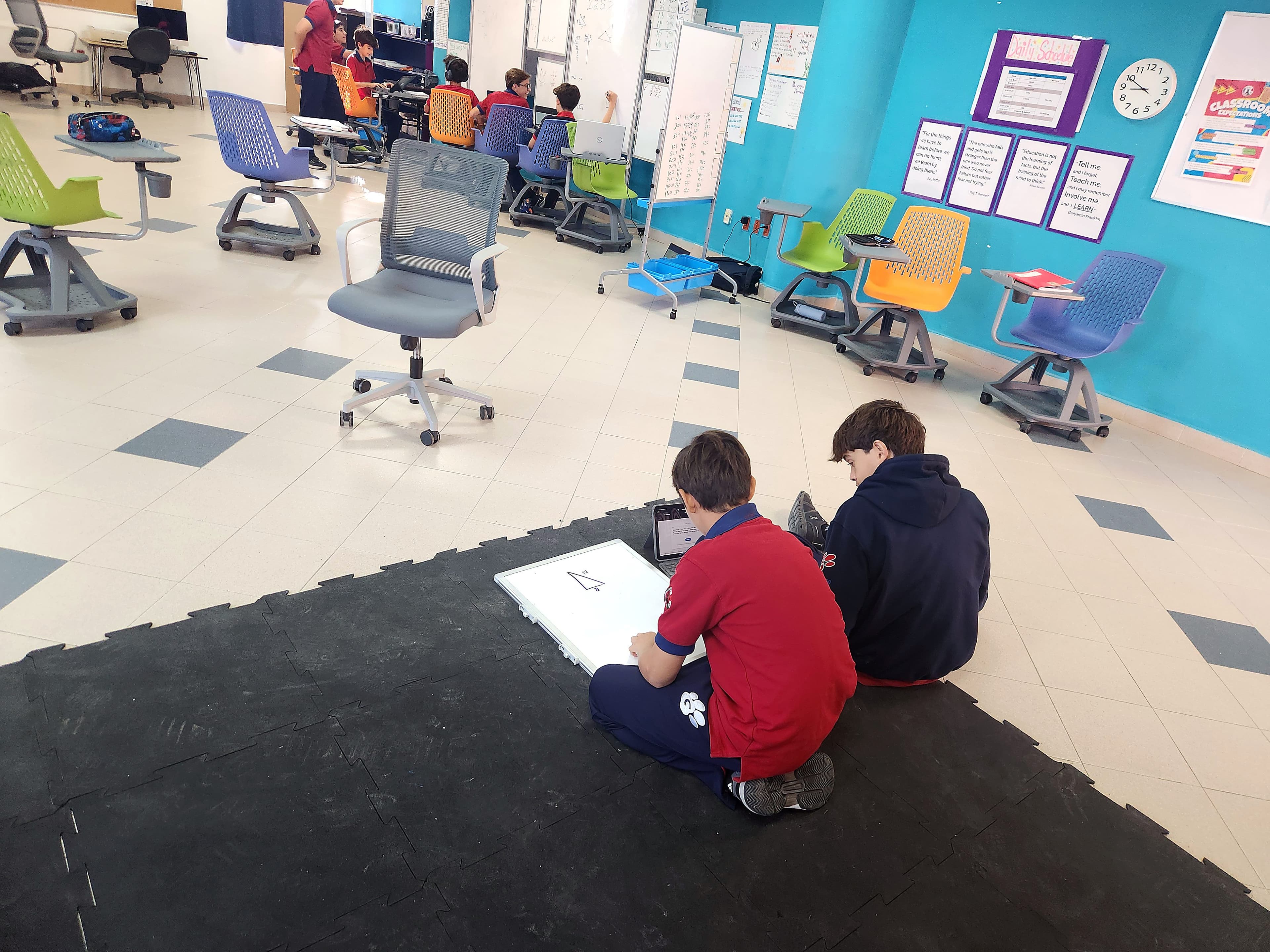
Projects make understanding visible. Students connect concepts to decisions, manage time with teammates, and practice the habits that help them transfer learning beyond a single assignment.